Sustainathon 2026: Advancing Sustainable Biomedical Imaging Facilities
The Global BioImaging (GBI) Biomedical Imaging Working Group has launched an international Sustainathon focused on one of the most pressing issues facing imaging infrastructures worldwide: the long-term sustainability of biomedical imaging facilities.
This Sustainathon brought together scientists, imaging facility staff, and infrastructure leaders from across the global imaging community to collaboratively design realistic, scalable, and forward-looking sustainability models. Through this structured, time-bound innovation process, participants have submitted practical strategies that strengthen financial resilience, operational continuity, and long-term impact.
.png) The winning team will receive:
The winning team will receive:
- An invitation to present their solution during an international GBI webinar
- Complimentary registration to the [GBI Exchange of Experience (EoE) event at EMBL Heidelberg, Germany]
- The opportunity to co-author a publication on sustainable biomedical imaging facility models based on Sustainathon outcomes
WATCH THE RECORDING [HERE]
1st Winner team: UI/UCH-IBADAN - Nigeria
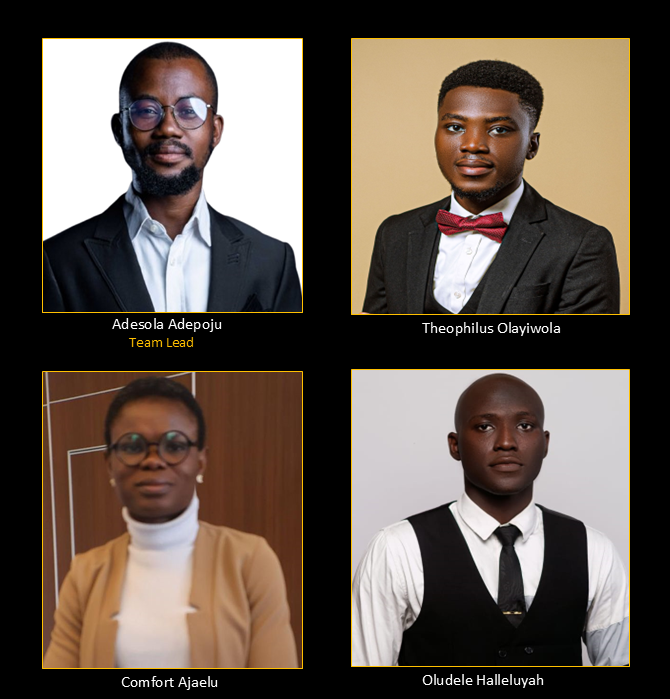
Team Lead: Adesola Emmanuel Adepoju
- Role: Lead Project Coordinator – Strengthening MRI Access, Training and Research in Africa (SMART Africa)
- Affiliation: Department of Medicine, College of Medicine, University of Ibadan- SMART Africa Initiative
- Country: Nigeria (multi-country programme in Africa)
- Team Name: UI/UCH- IBADAN
- Members: Theophilus Olayiwola, Comfort Ajaelu and Oludele Halleluyah
🥇 AI-Powered Brownfield Retrofit & EaaS: A Sustainable Bioimaging Model for LMICs
How can we expand access to biomedical imaging in low- and middle-income countries? Discover a collaborative model combining AI, infrastructure adaptation, and sustainable service approaches designed for diverse environments.
2nd Winner – Multimodal Preclinical Imaging Facility (MPIF) - Scotland
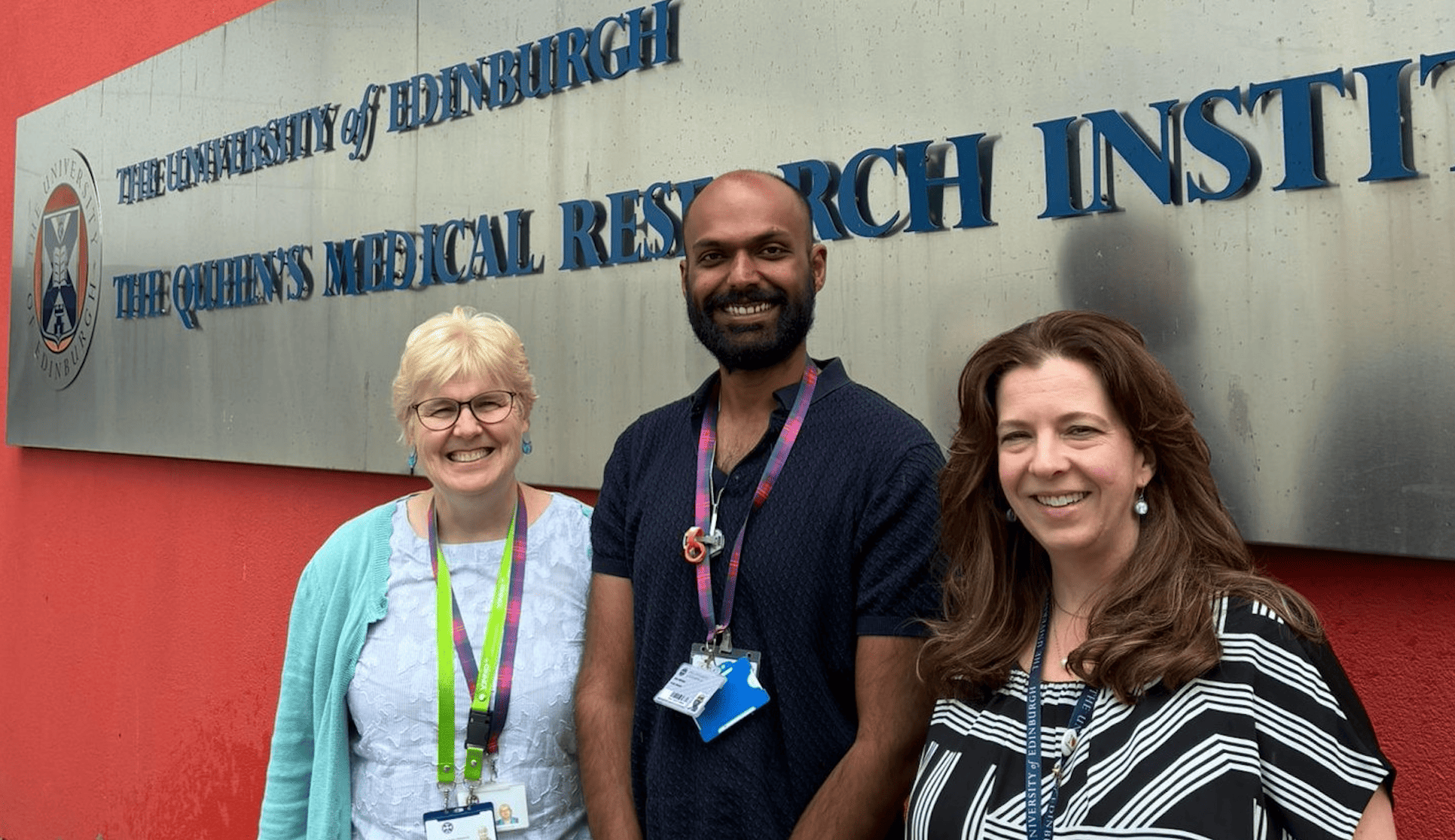
Team Lead: Aishwarya Mishra
- Role: Early Career Researcher in Imaging and Drug Delivery; Deputy Manager, Preclinical PET Imaging Facility;
- Affiliation: Institute for Neuroscience and Cardiovascular Research- University of Edinburgh
- Country: Scotland
- Team Name: Multimodal Preclinical Imaging Facility (MPIF)
- Members: Carmel Moran and Tracy Farr
🥇 Multimodal Preclinical Imaging Facility (MPIF): PET/MRI/CT/Ultrasound – A sustainable approach
How can multimodal imaging facilities remain accessible and sustainable in a rapidly changing research landscape? Explore strategies to overcome operational challenges and support future-ready imaging services.
1st Runner-up - DB Imaging - Australia
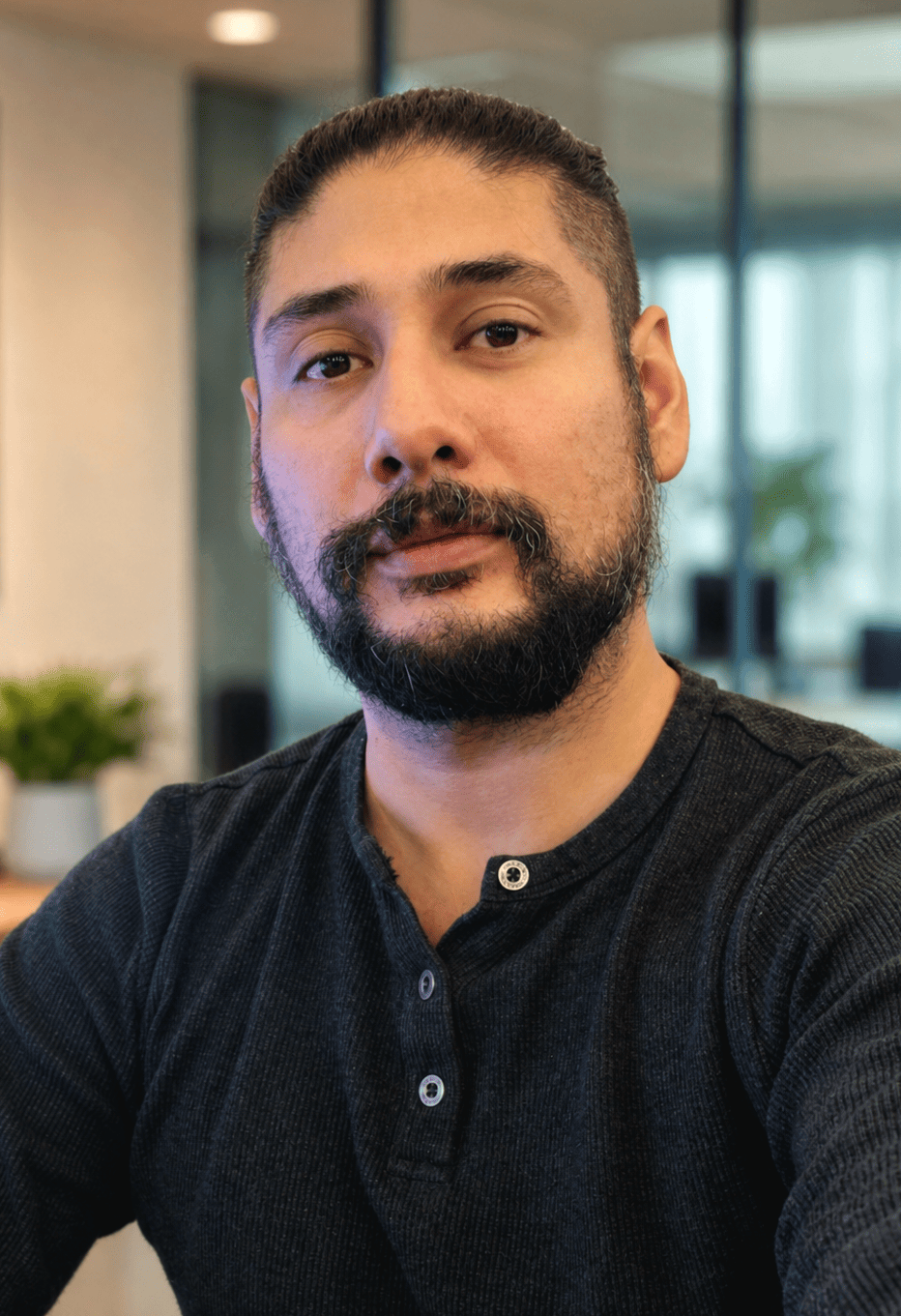
Team Lead: Daniel Amaya, PhD
- Role: Preclinical Imaging Officer
- Affiliation: Translational Research Institute (TRI) / DB Imaging
- Country: Australia
- Team Name: DB Imaging
- Members: Brian Tse
🥈 10 Year Financial Sustainability Plan for Preclinical Imaging Facility
How do you transform a major investment into a sustainable future for a preclinical imaging facility? Learn about financial planning, user engagement strategies, and creating a sustainable environment where imaging professionals can grow.
Relevant Resources
Free Online Training on Core Facility Operations
Available via the Global BioImaging (GBI) website (Core Facility Management Repository): https://globalbioimaging.org/international-training-courses/repository/core-facility-management
If you have any questions, please contact us at:
[email protected]
EVALUATION PANEL:
We thank all reviewers for supporting the WG Chairs:
Adriana Tavares (Head of the Preclinical PET Facility at the University of Edinburgh and Professor of Translational Molecular Imaging, Scotland)
Carlos Agudelo (Director of the Centre for Biomedical Imaging Diagnostics, Research and Rehabilitation (CDIBIR-UNAH), Honduras)
Godwin Ogbole (Professor of Radiology at the University of Ibadan, Nigeria)
Graham Galloway (Centre for Advanced Imaging, University of Queensland, Australia)
Linda Chaabane (Euro-BioImaging Med-Hub, Torino, Italy)
Manuela Bentura (Biomedical Development Assistant at the Centre of Molecular Imaging - CUDIM, Uruguay)
Maruf Adewole (Executive Director - Medical Artificial Intelligence Laboratory (MAI Lab), Lagos, Nigeria)
Pradip Chaudhari (Professor, Medical and Health Sciences, Translational Preclinical Imaging Facility- ACTREC- Navi-Mumbai, India)